


How to use interdental brushes correctly
 Apr 03, 2025|
 View:448
How to use interdental brushes correctly

Mastering the correct method of using interdental brushes is the key to fully exerting their cleaning effect and protecting oral health. Below, we will introduce the specific steps and key points of using interdental brushes in detail.
Choosing the right interdental brush
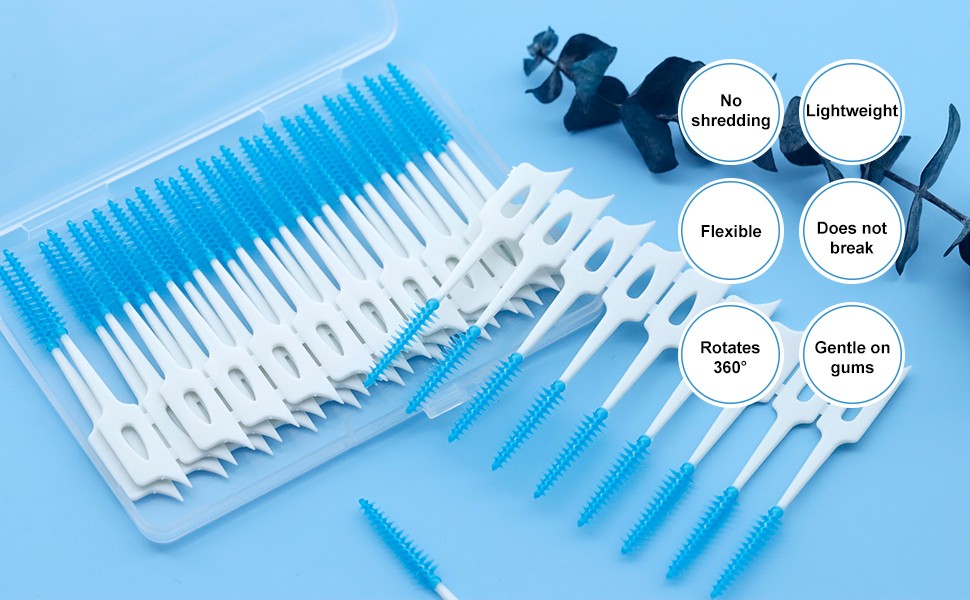
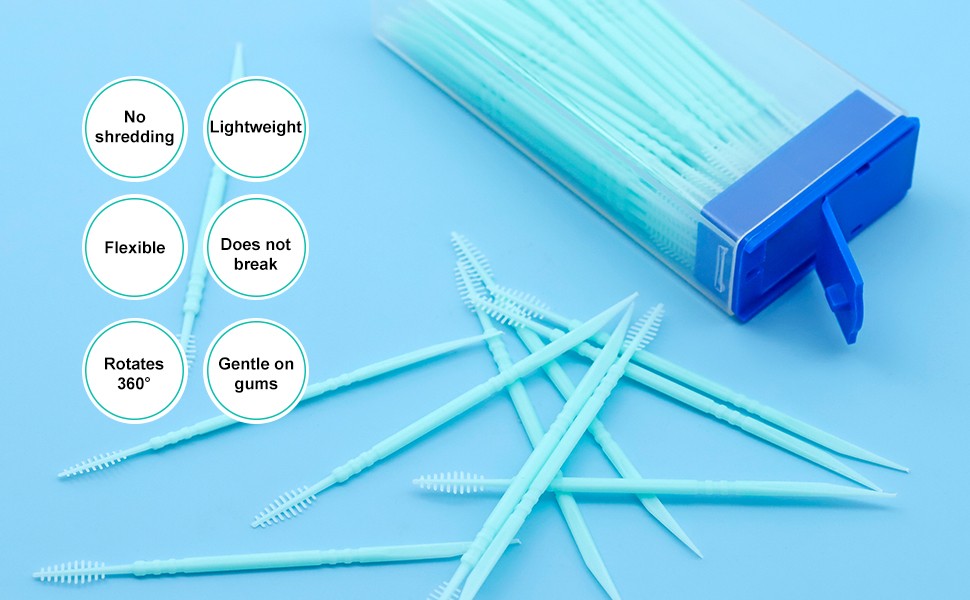
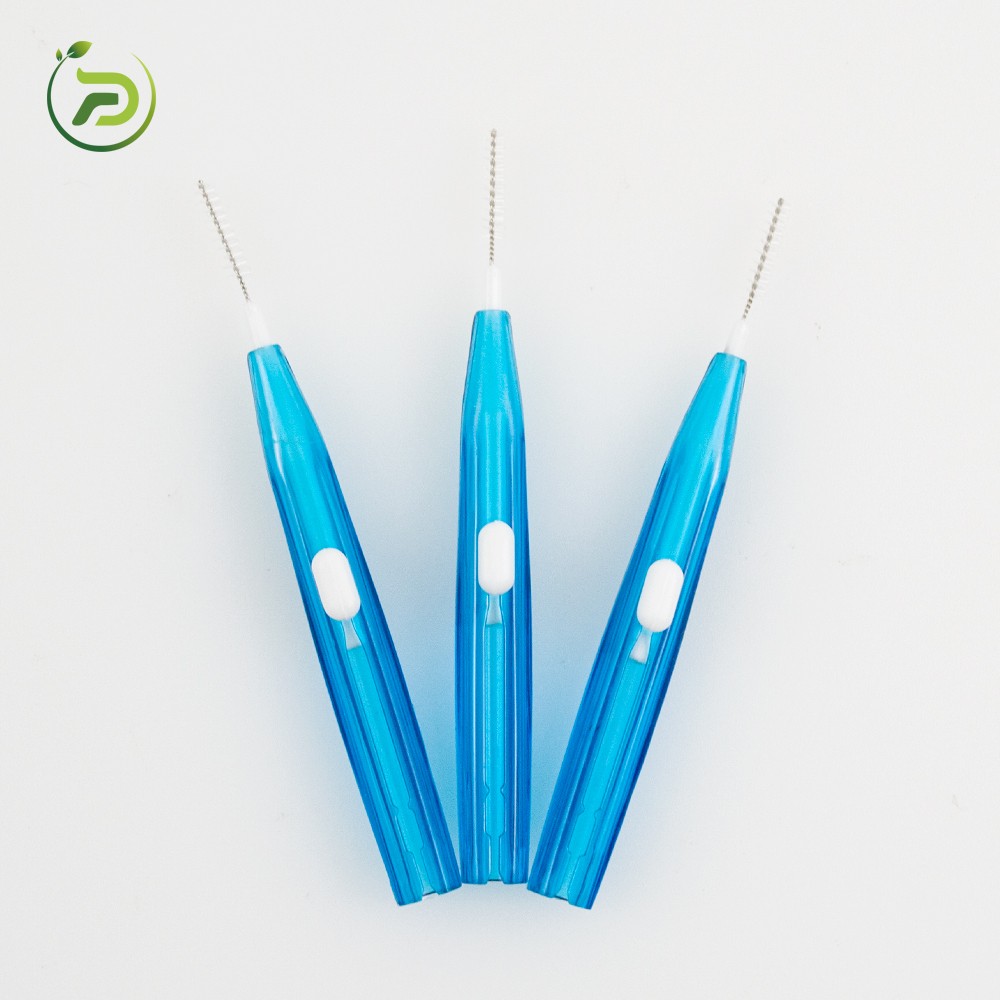
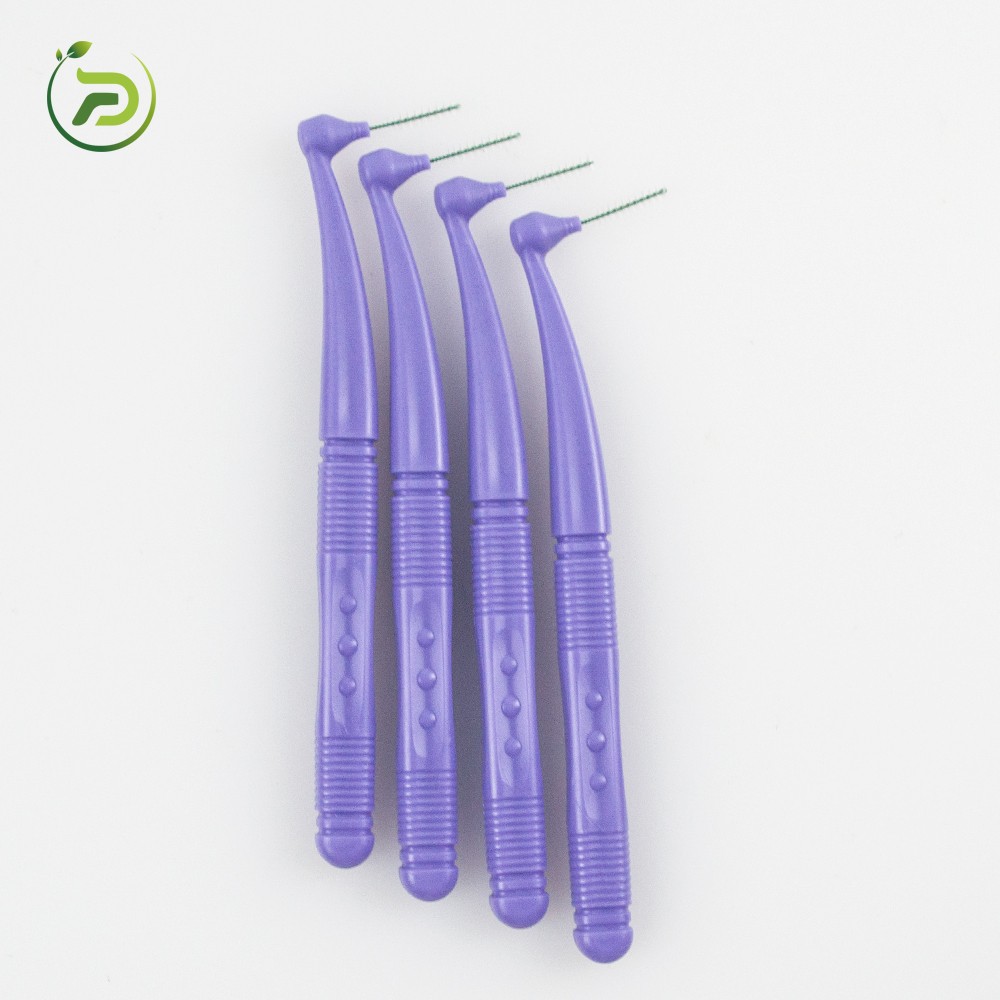
Inter-dental brushes come in a variety of sizes and shapes, and choosing the right product is crucial. When choosing, first carefully observe the size of your teeth. If the gaps between teeth are small and the teeth are closely arranged, you should choose an interdental brush with a slender brush head and fine and soft bristles, so that it can easily pass through the narrow gaps between teeth and perform detailed cleaning without causing damage to the gums and teeth; for situations with larger gaps between teeth, such as the increase in gaps between teeth due to gum atrophy in the elderly, or the widening of the gaps between teeth in patients with periodontal disease, you need to choose an interdental brush with a larger brush head and relatively hard bristles, so that you can more effectively remove dirt between teeth. In addition, you can also choose the shape of the interdental brush according to the position of the teeth. The gaps between the front teeth are relatively regular, and the general round or I-shaped brush head can meet the cleaning needs; the gaps between the back teeth are deeper and irregular in shape, and the L-shaped or conical brush head can clean more deeply.
Preparation before use
Before using the interdental brush, wet it with clean water to make the bristles softer, reduce irritation to the gums, and make it smoother when cleaning the gaps between teeth. In addition, to enhance the cleaning effect, you can also dip an appropriate amount of toothpaste on the bristles of the interdental brush. When choosing toothpaste, you can choose according to personal oral needs, such as anti-caries, whitening, anti-sensitivity and other functions. It should be noted that the amount of toothpaste should not be too much, just a thin layer on the bristles is enough, otherwise too much toothpaste foam may affect the line of sight and lead to incomplete cleaning.
Correct way to hold
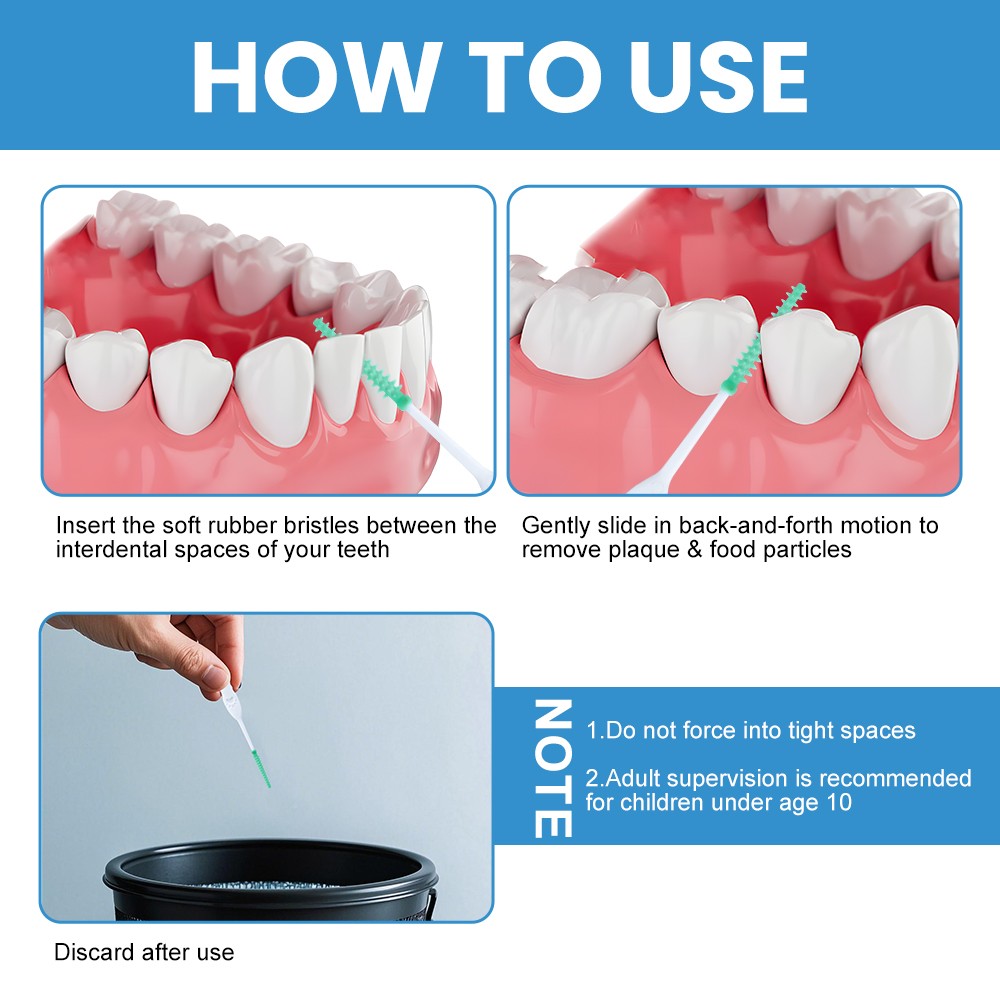
Hold the handle of the interdental brush firmly with your thumb and index finger, just like holding a pen, and keep your wrist relaxed so that you can flexibly control the direction and strength of the interdental brush during operation. Point the bristle side toward the gap between teeth to ensure that the bristles can fully contact the dirt in the gap between teeth during cleaning. The correct holding method is the basis for ensuring the cleaning effect and avoiding damage to the gums. When you first use the interdental brush, it may take some time to adapt to this holding method, but as long as you practice more, you can master it.
Insertion and cleaning action
Gently insert the interdental brush head along the direction of the teeth, and be gentle to avoid excessive force to damage the gums. The insertion depth should be such that the bristles can completely cover the tooth surface in the teeth, ensuring that every corner can be cleaned. When the brush head is inserted in place, start cleaning. Move the interdental brush back and forth in the teeth in small amplitudes, and the frequency can be slightly faster, just like gently wiping the dirt in the teeth. During the cleaning process, pay attention to cleaning the tooth surfaces on both sides of the teeth to ensure that each side can be fully cleaned. At the same time, keep the interdental brush perpendicular to the tooth surface, so that the bristles can better contact the tooth surface and improve the cleaning efficiency. Clean each tooth gap about 3-5 times. For teeth with more dirt, the number of cleanings can be appropriately increased.
Cleaning and storage after use
After using the interdental brush, rinse it with clean water immediately to remove any food residue, plaque and toothpaste residue left on the bristles. When rinsing, you can gently rub the bristles with your fingers to ensure that the dirt is completely removed. After rinsing, place the interdental brush in a well-ventilated place to dry naturally. Avoid placing it in a humid environment to prevent bacteria from growing. In order to keep the interdental brush hygienic, you can also prepare a special storage box or rack to store the dried interdental brush in it to avoid contact with other items and cause secondary contamination.
Replace interdental brushes regularly
The bristles of interdental brushes will gradually wear out during use and lose their original cleaning ability. In addition, a large amount of bacteria will accumulate on interdental brushes that are used for a long time. Even if they are cleaned after each use, it is difficult to completely remove them. Therefore, in order to ensure oral health, it is recommended to replace interdental brushes every 1-3 months. If the bristles are found to be deformed, forked or severely worn, a new interdental brush should be replaced in time, and do not wait until the prescribed replacement time. In addition, for some special groups, such as those with low immunity and oral disease patients, it is more important to pay attention to regular replacement of interdental brushes to reduce the risk of bacterial infection.


Recommended Products

Wire Interdental Brush Dental Floss Pick Nylon Bristle Interdental for Teeth Cleaning Tooth Brush Stainless Steel

Classic Interdental Brushes Dental Teeth Gap Cleaner Interspace Brushes

CE Push Pull Type Interdental Brush with Blister Card Packing

Gum Care Shape Wire Dental Toothpick Orthodontic Tooth Brush and Pick Interdental Brush

Factory Price with High Quality Classical Type Soft Picks Rubber Interdental Brush

Bamboo Interdental Brushes Dental Floss Cleaners Teeth Brush Toothpick Tool


