


Is Using An Electric Toothbrush Effective In Preventing Plaque And Gingivitis?
 Mar 27, 2025|
 View:261
Is Using An Electric Toothbrush Effective In Preventing Plaque And Gingivitis?
In the field of oral health, dental plaque and gingivitis are common problems. Dental plaque is a bacterial biofilm that continuously forms on the surface of teeth. If it is not removed in time, it will cause gingivitis, and long-term development may lead to more serious oral problems. In recent years, electric toothbrushes have attracted much attention, and many people claim that they can effectively prevent dental plaque and gingivitis. So, what is the truth? Let's take a deeper look.
The Cleaning Principle And Advantages Of Electric Toothbrushes
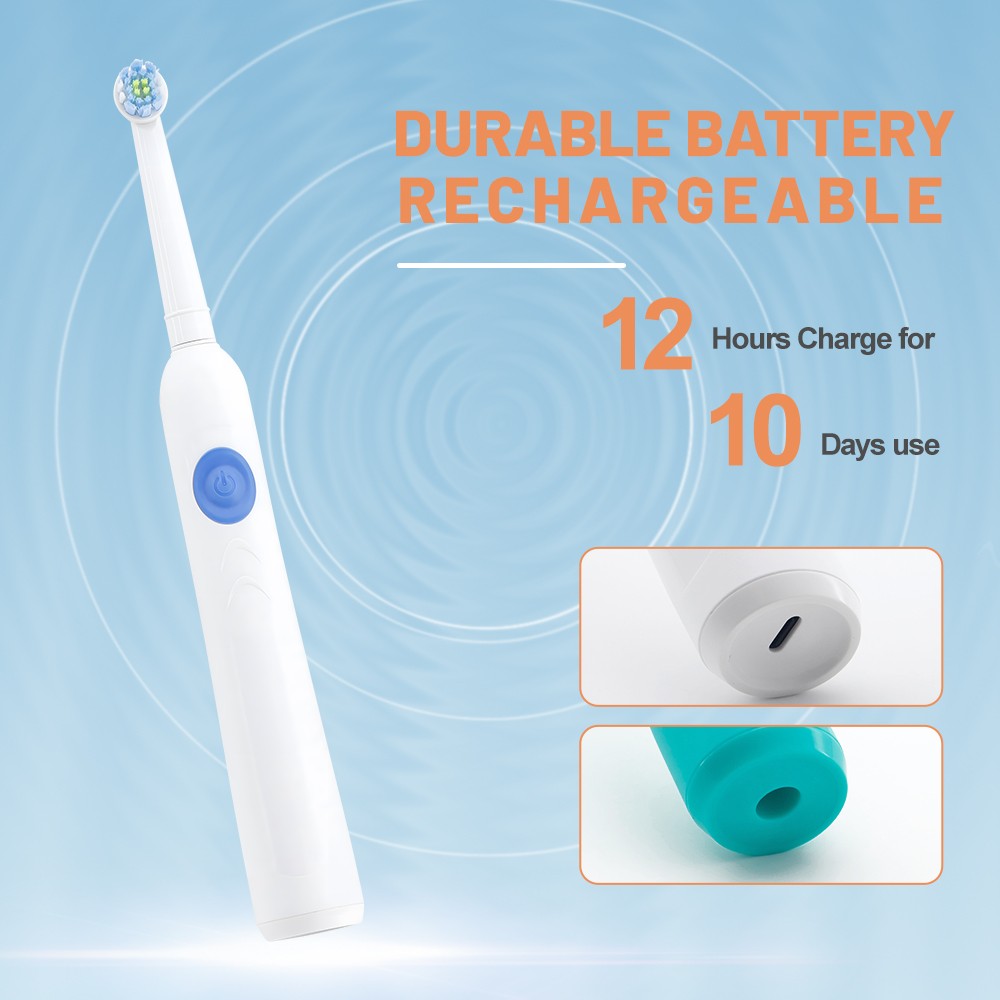
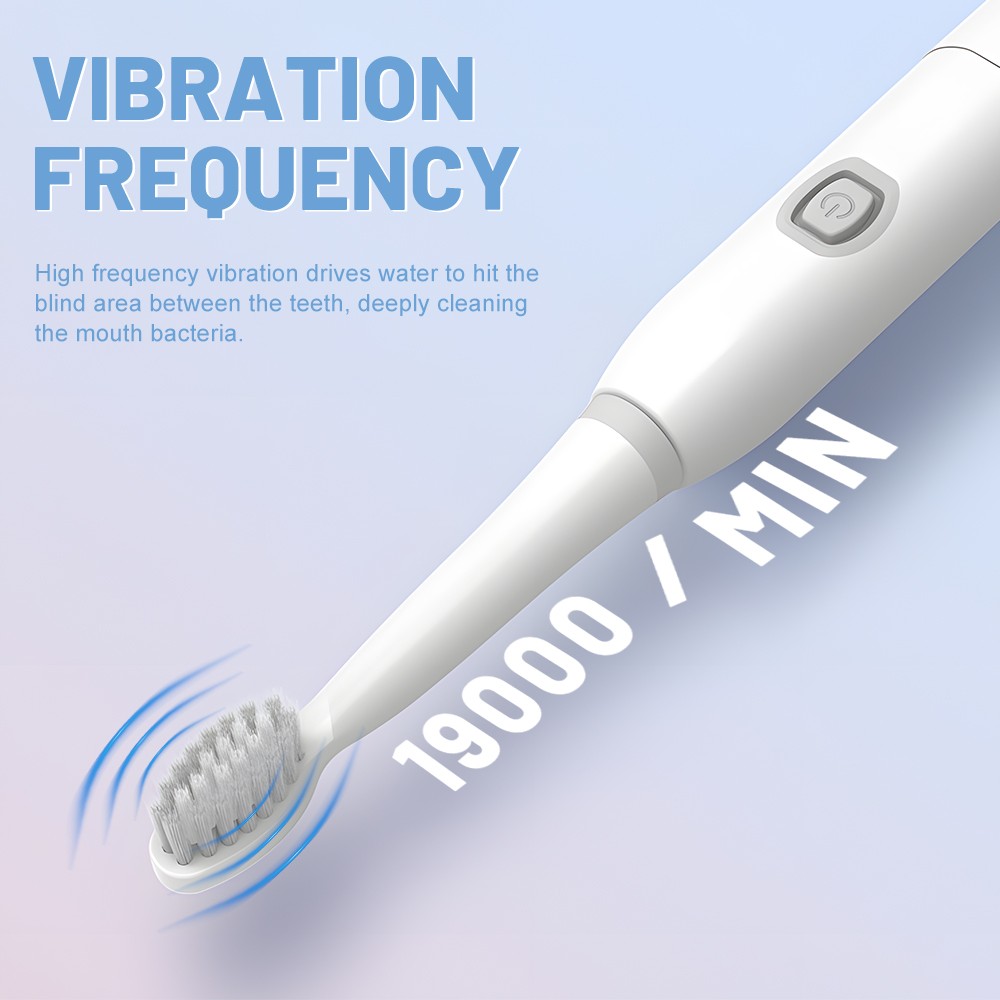
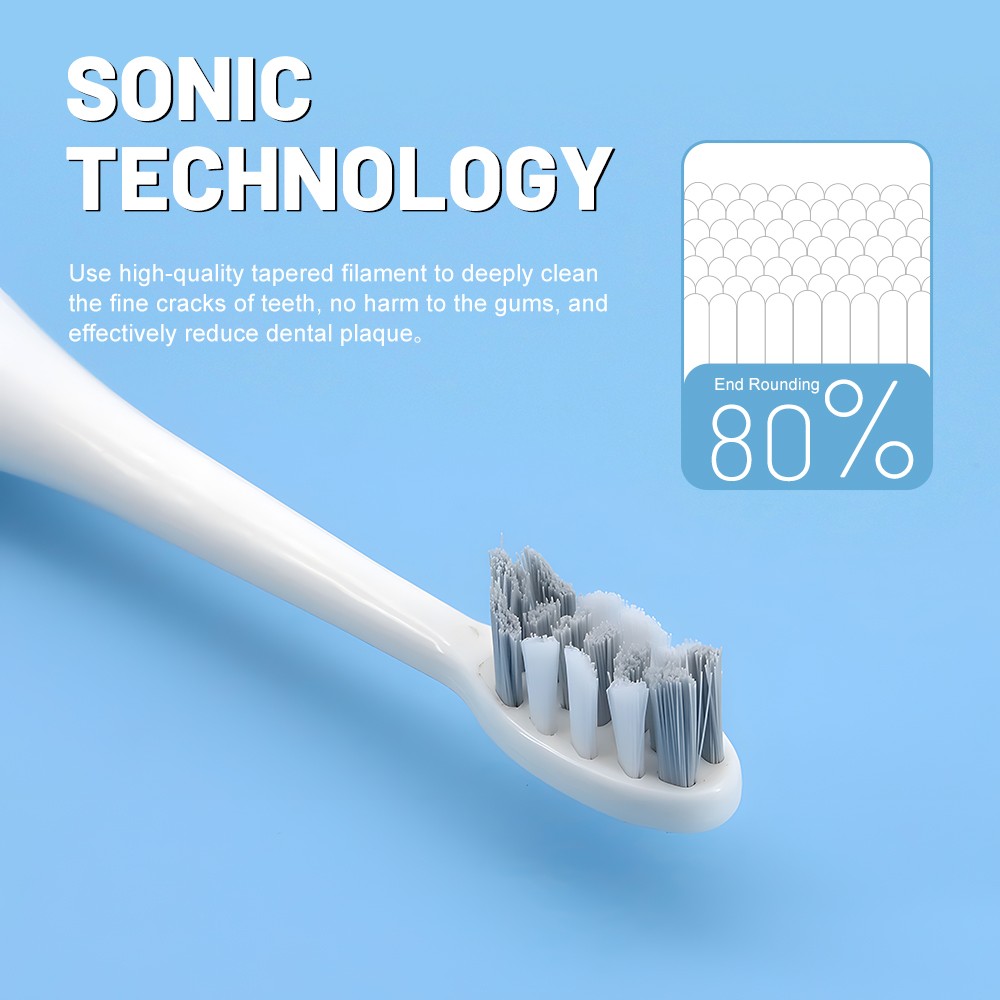
Electric toothbrushes mainly use two working modes to achieve cleaning, namely rotary vibration and sonic wave. Rotary vibration electric toothbrushes can generate strong mechanical force through high-speed rotation and vibration of the brush head. Taking a well-known brand of rotary vibration electric toothbrush as an example, its brush head speed can reach 30,000-40,000 revolutions per minute. Such a high speed can effectively remove dental plaque on the surface of teeth. In a laboratory simulation study, after using a rotary vibration electric toothbrush to clean a tooth model for 2 minutes, it was found that the plaque removal rate in the smooth area of the tooth surface reached 70%-80%. The sonic wave electric toothbrush generates sound waves through high-frequency vibration, which drives the liquid in the mouth to form a flow impact, which can not only clean the surface of the teeth, but also deeply clean the hard-to-reach areas such as the gaps between the teeth. The vibration frequency of a general sonic wave electric toothbrush is between 20,000-40,000 times per minute. Studies have shown that after cleaning with a sonic electric toothbrush, the plaque removal rate in hidden areas such as the adjacent surfaces of teeth is significantly improved compared to traditional manual toothbrushes, reaching 40% - 60%.
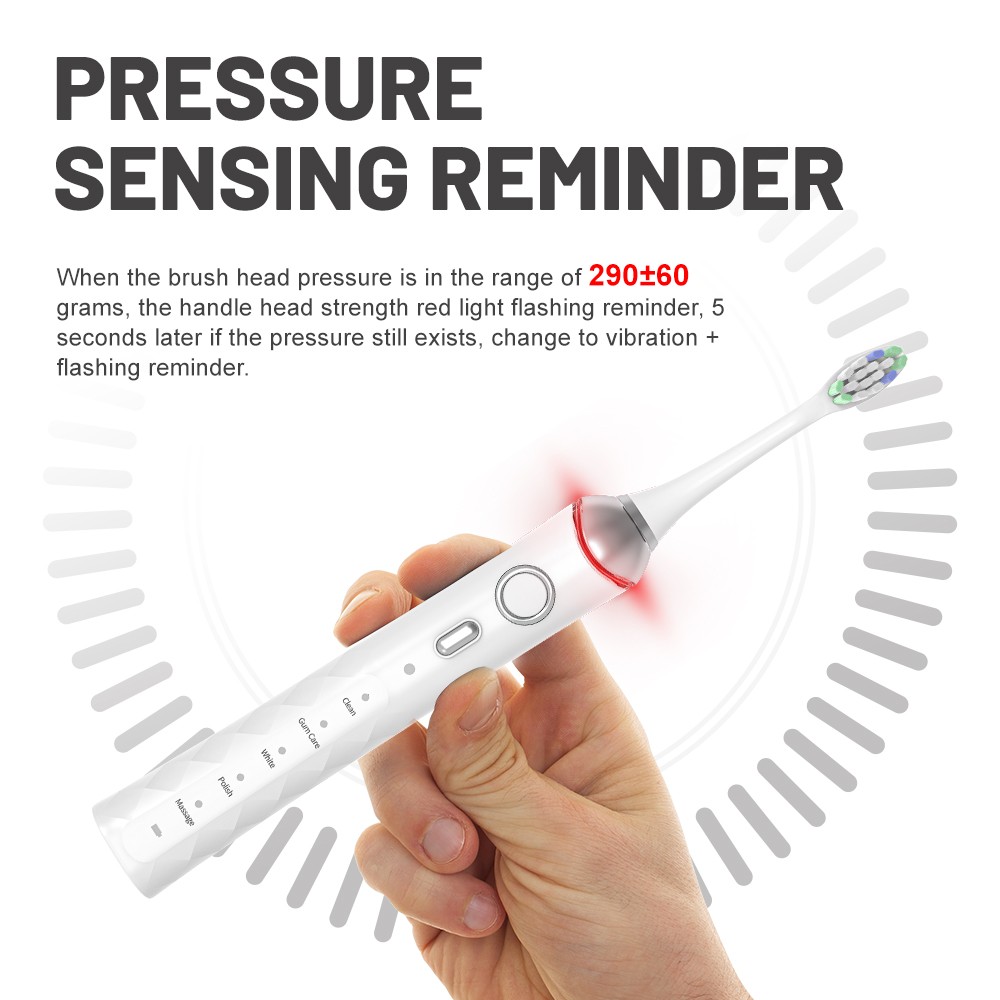
Compared with traditional manual toothbrushes, electric toothbrushes have obvious advantages in the stability of brushing force. When brushing manually, it is difficult to ensure that the force of brushing is uniform each time. Too light force cannot effectively remove dental plaque, and too heavy force may damage the gums. Electric toothbrushes can clean with constant force, avoiding damage to teeth and gums caused by improper brushing force. A 4-week study on 100 volunteers found that the fluctuation range of force during brushing of volunteers using electric toothbrushes was significantly smaller than that of volunteers using manual toothbrushes, and the bleeding of gums was significantly improved.
Clinical Research Data On Electric Toothbrushes For Preventing Dental Plaque And Gingivitis
Numerous clinical studies have provided strong evidence for the effectiveness of electric toothbrushes in preventing dental plaque and gingivitis. A randomized controlled trial published in an authoritative oral medicine journal randomly divided 200 subjects into two groups, one using an electric toothbrush and the other using a traditional manual toothbrush for a period of 3 months. The results showed that the dental plaque index of the electric toothbrush group decreased by an average of 0.8 after 3 months, while the dental plaque index of the manual toothbrush group decreased by an average of 0.4. In terms of gingivitis, the incidence of gingivitis in the electric toothbrush group decreased from 30% before the trial to 15%, while the manual toothbrush group only decreased from 30% to 25%.
Another 6-month follow-up study included 500 subjects and compared the effects of different types of electric toothbrushes (rotary vibration and sonic wave) and manual toothbrushes in preventing plaque and gingivitis. The results showed that both rotary vibration and sonic wave electric toothbrushes were superior to manual toothbrushes in reducing plaque and reducing the incidence of gingivitis. The specific data were that the rotary vibration electric toothbrush reduced plaque by 45% and the incidence of gingivitis by 30%; the sonic wave electric toothbrush reduced plaque by 42% and the incidence of gingivitis by 28%; and the manual toothbrush reduced plaque by 25% and the incidence of gingivitis by 15%.
Factors That Affect The Effectiveness Of Electric Toothbrushes
Although electric toothbrushes are excellent in preventing plaque and gingivitis, there are still some factors that affect their final effect. First, the brushing method is crucial. Even if you use an electric toothbrush, if you brush your teeth incorrectly, you will not be able to fully exert its effectiveness. The correct brushing method should follow the Bass brushing method. Place the toothbrush at a 45-degree angle to the teeth and place it at the junction of the teeth and gums. Apply gentle pressure so that part of the bristles enter the gingival sulcus and part of the bristles are spread on the tooth surface. Vibrate the toothbrush horizontally in place, and then brush vertically along the gaps between the teeth. Secondly, the brushing time should not be ignored. It is generally recommended that each brushing time should not be less than 2 minutes to ensure that all surfaces of the teeth are fully cleaned. A survey of electric toothbrush users found that people who brush their teeth for less than 1 minute have a significantly lower plaque removal rate than those who brush their teeth for 2 minutes. In addition, the choice of brush head is also critical. Different types of brush heads are suitable for different oral conditions. For example, people with sensitive gums should choose brush heads with soft bristles to avoid over-irritating the gums.
In Conclusion
Based on the above research data and analysis, using an electric toothbrush can indeed prevent dental plaque and gingivitis more effectively. Its unique cleaning principle and stable brushing force make it excellent in removing dental plaque, thereby reducing the risk of gingivitis. However, to give full play to the advantages of electric toothbrushes, it is also necessary to master the correct brushing method, ensure sufficient brushing time and choose the right brush head. For people who are concerned about oral health and are eager to effectively prevent dental plaque and gingivitis, electric toothbrushes are undoubtedly a recommended choice. On the road to maintaining oral health, electric toothbrushes can be our right-hand man, helping us better protect the health of our teeth and gums.


