


How Long Should an Electric Toothbrush Last?
 Apr 17, 2025|
 View:639
Electric toothbrushes have become increasingly popular for their ability to provide superior oral hygiene compared to manual brushing. With features such as timers, pressure sensors, and various cleaning modes, they offer a level of convenience and effectiveness that many users appreciate. However, a common question arises: how long should an electric toothbrush last? This article explores the lifespan of electric toothbrushes, factors affecting longevity, maintenance tips, and signs of when to replace your device.
Typical Lifespan of Electric Toothbrushes
The lifespan of an electric toothbrush typically ranges from 3 to 5 years, depending on several factors. Here’s a breakdown of what influences this lifespan:
Quality of the Toothbrush:
High-quality brands often use durable materials and advanced technology, leading to a longer lifespan. Premium models from reputable manufacturers may last longer than budget options.
Frequency of Use:
The more frequently you use the toothbrush, the shorter its lifespan may be. Most electric toothbrushes are designed for daily use, but heavy users may notice wear and tear sooner.
Battery Life:
Many electric toothbrushes are rechargeable, and the quality of the battery can significantly affect lifespan. Lithium-ion batteries, commonly used in electric toothbrushes, typically last about 2 to 3 years before their capacity diminishes.
Care and Maintenance:
Proper care can extend the life of an electric toothbrush. Regularly cleaning the handle and brush head, as well as ensuring it is stored correctly, can prevent damage and malfunction.
Replacement of Brush Heads:
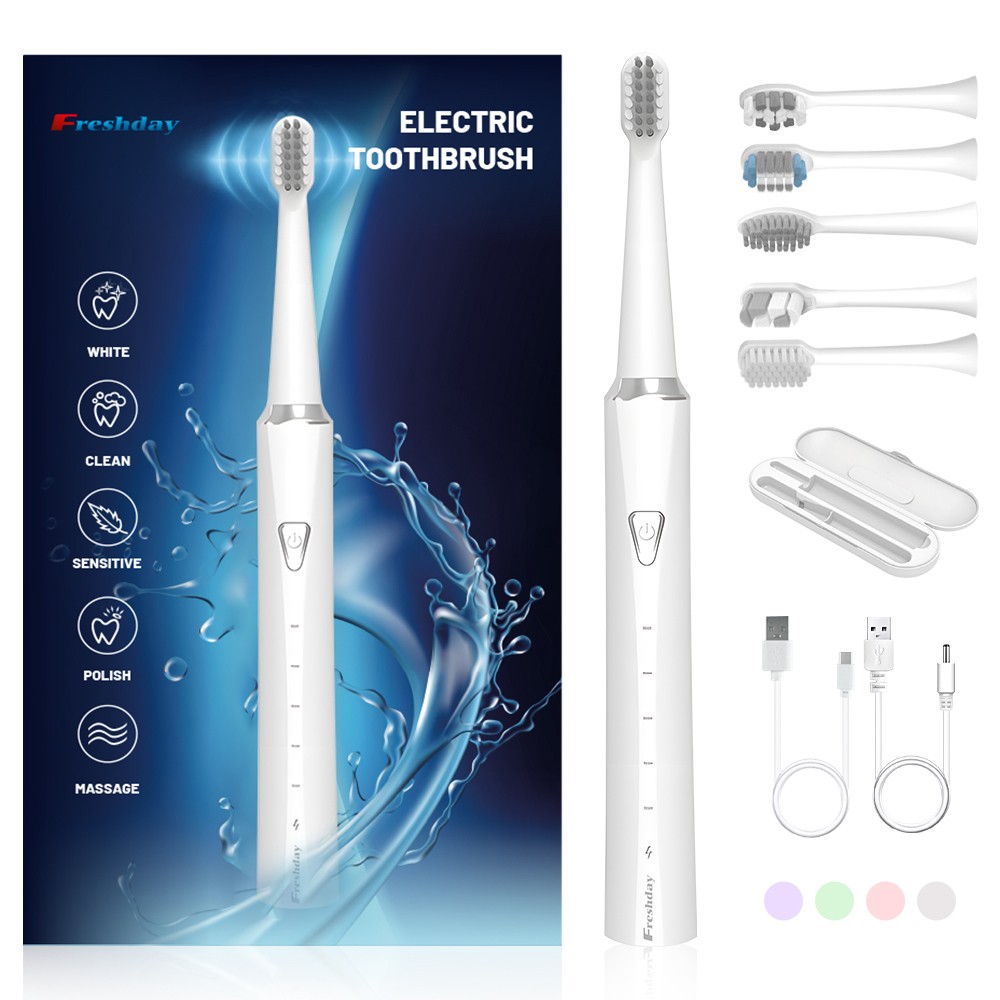
Manufacturers usually recommend replacing the brush head every 3 to 6 months. Using worn-out brush heads can decrease the effectiveness of the toothbrush and may lead to the need for earlier replacement of the entire unit.
Factors Affecting Longevity
Several factors can influence how long an electric toothbrush will last:
Material Quality:
The materials used in the construction of the toothbrush, including the handle and brush head, play a crucial role. High-quality plastics and bristles are more resistant to wear and tear.
Water Resistance:
Electric toothbrushes are designed to be water-resistant, but exposure to moisture can still cause internal components to degrade over time. Ensuring that the toothbrush is properly sealed and using it according to manufacturer guidelines can help.
Usage Patterns:
If users apply excessive pressure while brushing, it can lead to faster wear on the bristles and the motor. Using the toothbrush gently and following the manufacturer’s instructions can prolong its life.
Storage Conditions:
Storing the toothbrush in a damp environment or exposing it to extreme temperatures can negatively impact its lifespan. Proper storage in a dry area can help maintain its functionality.
Technological Features:
More advanced models may include features like Bluetooth connectivity, timers, and various cleaning modes, which can add complexity and potentially affect lifespan. Simpler models might last longer due to fewer components that could fail.
Maintenance Tips
To maximize the lifespan of your electric toothbrush, consider the following maintenance tips:
Regular Cleaning:
Rinse the brush head thoroughly after each use to remove toothpaste and debris. Periodically disinfect the brush head by soaking it in a solution of water and antibacterial mouthwash.
Proper Charging:
Avoid overcharging the battery. Many toothbrushes come with smart charging features, but it’s good practice to unplug the charger once fully charged to prevent battery wear.
Brush Head Replacement:
Follow manufacturer recommendations for replacing the brush head. Indicators, such as bristle wear or discoloration, can also signal when it’s time to replace the head.
Storage:
Store the toothbrush in a dry area, ideally in an upright position to allow the brush head to air dry. Avoid covering the brush head, as this can trap moisture and promote bacterial growth.
Avoid Dropping:
Handle the toothbrush carefully to prevent damage from drops or impacts. A fall can misalign components or damage the internal battery.
Signs Your Electric Toothbrush Needs Replacement
Recognizing when it’s time to replace your electric toothbrush is essential for maintaining oral hygiene. Here are some signs that indicate it may be time for a new toothbrush:
Decreased Battery Life:
If you find that the battery no longer holds a charge for as long as it used to, it may be time to consider a replacement. A significant drop in battery performance can indicate that the battery is nearing the end of its life.
Worn Brush Head:
If the bristles of the brush head are frayed, discolored, or flattened, it’s time for a replacement. Using a worn brush head can reduce cleaning effectiveness and may lead to gum irritation.
Malfunctioning Features:
If the toothbrush’s features, such as timers or pressure sensors, begin to malfunction, it may indicate that the device is failing. While some issues can be fixed, persistent problems often mean it’s time for a new model.
Physical Damage:
Cracks or breaks in the handle or brush head can compromise the toothbrush’s integrity. If the device is damaged, it’s best to replace it to ensure safe and effective use.
Unpleasant Odors:
A persistent foul smell can indicate bacterial growth inside the toothbrush. While cleaning can help, it may be a sign that it’s time to replace the device.
Environmental Considerations
As consumers become more environmentally conscious, the lifespan and disposal of electric toothbrushes are increasingly important. Consider these points:
Sustainability:
Look for brands that offer recycling programs for old toothbrushes. Some manufacturers provide incentives for returning used products.
Eco-Friendly Materials:
Choose toothbrushes made from sustainable materials, such as bamboo or recyclable plastics, to reduce environmental impact.
Longevity:
Investing in a higher-quality electric toothbrush may be more sustainable in the long run, as it can last longer and reduce the frequency of replacements.
In summary, an electric toothbrush typically lasts between 3 to 5 years, influenced by factors such as quality, usage patterns, maintenance, and technological features. Proper care can extend its lifespan, while regular replacement of brush heads is essential for maintaining effective oral hygiene. Recognizing the signs of wear and understanding environmental considerations can help users make informed decisions about their oral care products. By investing in a quality electric toothbrush and following best practices for maintenance, individuals can ensure a healthier smile for years to come.


